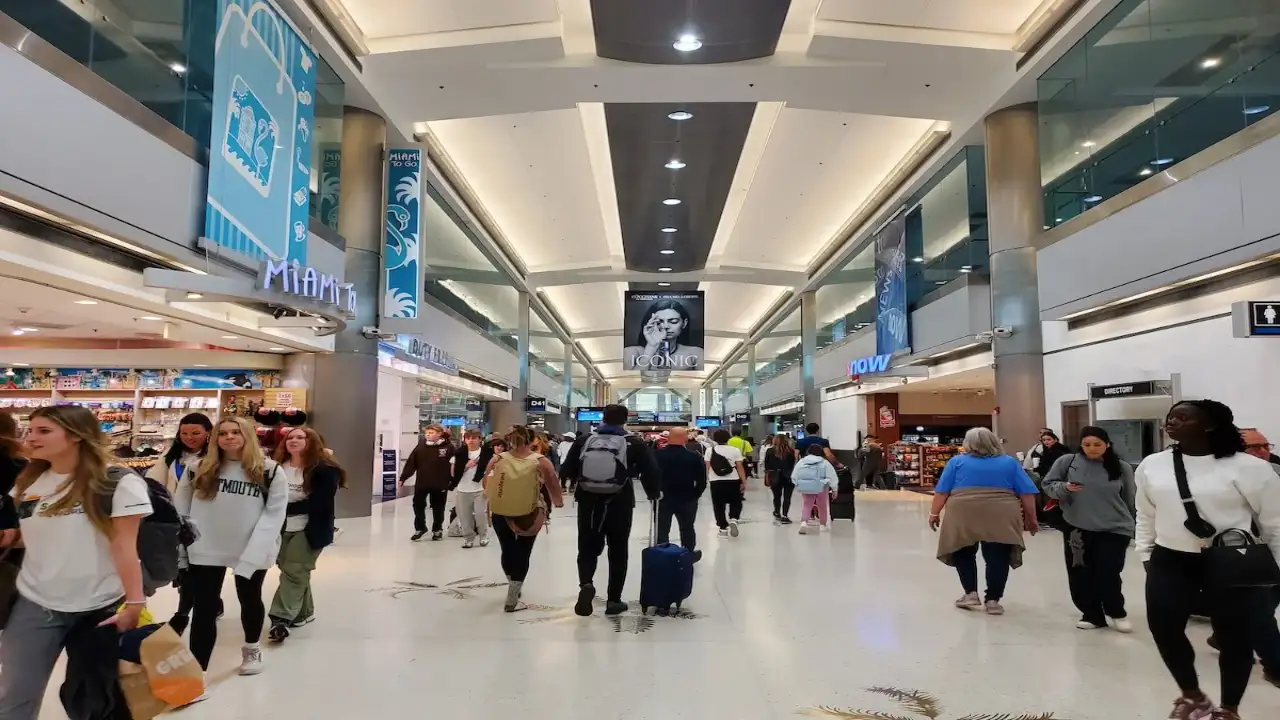
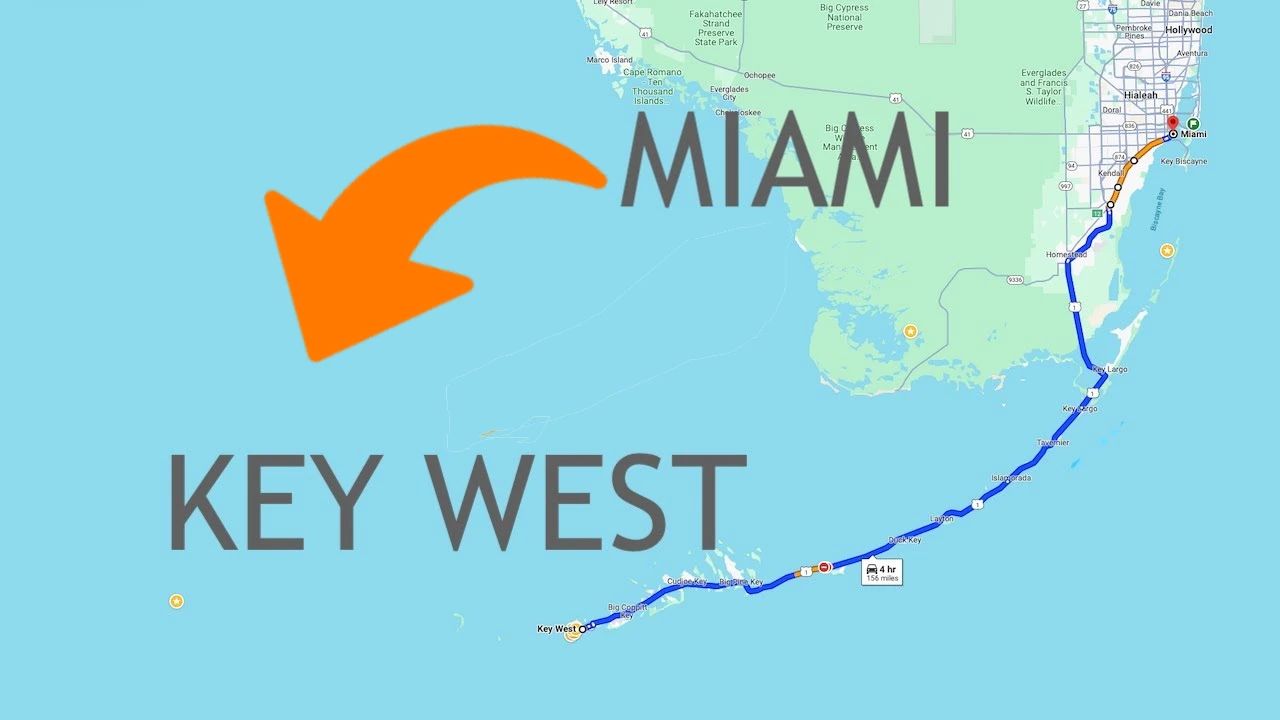
Miami, Florida, has several airports to manage the influx of tourists to this city. The airports in Miami provide fliers with various options, having ports for private and public aircraft as well as heliports. MIA, OPF, and TMB are major airports in Miami, Florida, catering to domestic and business travelers and providing recreational amenities. Miami Seaplane Bases acts as a hub for tourism and facilitates private tours in aircraft.
How Many Airports are in Miami?
Miami, a city in Florida, has 25 airports, out of which 6 are prominent, namely
- Miami International Airport
- Miami Homestead General Aviation Airport (X51)
- Miami Executive Airport (TMB)
- Miami-Opa Locka Executive Airport (OPF)
- Dade-Collier Training and Transition Airport (TNT)
- Miami Seaplane Base (X44)
A General Aviation Center in Miami International Airport has the task of handling private flights throughout the year. Along with these 6 airports, many other public and private airports, heliports, and seaplane bases are housed in this city.
Fort Lauderdale-Hollywood and Palm Beach International are airports near Miami, providing travelling services for the fliers.
Miami International Airport
Miami International Airport, abbreviated as MIA, is the primary international airport of Miami, Florida. Situated approximately 6-7 miles from downtown Miami, MIA is the busiest airport offering the largest number of flights to and from Miami. Being the biggest commercial airport for travellers in Miami, MIA offers the facilities of VIP lounges and clubs for fliers to relax.
- Pet Relief Areas, smoking areas, and shopping centres are also some amenities provided by the Miami International Airport.
- MIA Hotel is an in-airport hotel that is located on the 2nd floor of Terminal E at the MIA airport.
Miami Homestead General Aviation Airport (X51)
Situated 3 miles northwest of the City of Homestead, Miami Homestead General Aviation Airport is a hub for both business aircraft and recreational activities. It has several runways, out of which some are used for public aviation, while one runway is for gliding.
- Link to prominent islands like the Florida Keys, famous for sport fishing and coral reefs.
- A refueling stop, providing self-service Jet-A and 100LL fuel.
- Incorporates flight training and recreational aviation needs.
Miami Executive Airport (TMB)
Miami Executive Airport is one of the busiest airports in Miami, Florida. Just 15 minutes from the business centres of South Miami-Dade County, TMB acts as a reliever to Miami International Airport. This airport in Miami provides facilities for corporate, recreation, and training activities.
- Fixed-Based Operator(FBO) services are provided at the airport, bringing more commercial and business travelers.
- Provides fast access to the Florida Turnpike, Ocean Reef, and Miami Beach.
- Houses Miami’s Automated International Flight Service Station, subsequently improving communication and coordination between airport personnel.
Miami-Opa Locka Executive Airport (OPF)
With one of the longest general aviation runways, Miami-Opa Locka Executive Airport acts as a reliever for Miami International Airport. This airport is in close proximity to many tourist attractions like Downtown Miami, Hard Rock Stadium, and Miami Beach.
- Provides services like aircraft repair and maintenance.
- Houses the Miami Coast Guard Station’s fleet of fixed and rotor-wing aircraft.
- The busiest U.S. Coast Air/Sea Rescue Station.
- Provides FBO services to all small single-engine private planes to large corporate jet aircrafts.
Dade-Collier Training and Transition Airport (TNT)
Originally known as the Everglades Jetport, Dade-Collier Training and Transition Airport acts primarily as a training ground. Having a single runway which is 10,499 feet long, TNT supports both small and large aircrafts.
- Primarily functions as a training facility in Miami for pilots, private training, and military touch-and-go exercises.
- The airport has precision instrument landing systems, particularly requiring prior permission for aircrafts over 12,500 pounds.
Plans for the development of this airport in Miami were stopped due to environmental concerns, which led to it being abandoned. In June 2025, the site was converted into a migrant detention facility named “Alligator Alcatraz”.
Miami Seaplane Base (X44)
Located between Miami and Miami Beach on Watson Island, Miami Seaplane Base (X44) is a public-use airport in Miami, Florida. Open from 8:00 a.m. to 4:00 p.m., Miami Seaplane Base offers facilities for private events. This base operates a system of tours, taking travelers to several beaches and islands of Miami.
- Acts as a hub for flights to the Bahamas and beyond.
- This base operates on tourism, by having private bookings and providing scenic flights to the fliers.
Airports Near Miami, Florida
Fort Lauderdale Hollywood International Airport and Palm Beach International Airport are major airports near Miami, Florida. They act as crucial secondary options for traveling to parts of Miami.
Fort Lauderdale Hollywood International Airport (FLL)
At a distance of approximately 30 miles from Miami, this airport offers the cheapest flight to Miami. Fort Lauderdale Hollywood International Airport provides close access to parts of Miami, Boca Raton, and Pompano Beach. It is the primary South Florida Airport for Southwest Airlines and has other carriers like JetBlue and Spirit. Moreover, FLL provides several amenities for its fliers like smoking areas, wifi, and children's play areas.
- To reach the Miami coast from the FLL airport, take a taxi, which typically costs $15 to $30.
- A major hub for domestic travel and one of the busiest airports in Florida.
Palm Beach International Airport (PBI)
Established at a distance of 70 miles from Miami, this airport is also one of the busiest airports in Miami alongside MIA and FLL. Palm Beach International Airport does not have many international routes or traffic, but gives close access to the Palm Beaches and the northern parts of South Florida.
- To reach Miami from PBI, travel by the Tri-Rail train, which takes approximately 1 hour and 40 minutes. The train runs hourly starting from 6:30 am.
Tips For Travelling through Miami Airports
- Before choosing any airport, check all the logistics and their distance from your destination.
- Ensure to check the traffic on the route to the airport before you start your journey.
- Arrive 2-3 hours early and check the airport’s website for any updates.
- Know the specific guidelines and TSA requirements before you board.
- Check the layout and location of the amenities provided at the airports in Miami to ensure smooth navigation.
Conclusion
Miami houses several major airports that connect both domestic and international travelers with the different parts of South Florida. Having amenities and recreational activities in the airports attracts huge crowds of people every year. MIA, along with FLL and PBI are the busiest airports in South Florida.
.webp)