The Miami Airport cell phone waiting area functions as a controlled holding zone for pickup traffic at Miami International Airport (MIA). It is designed to prevent congestion at terminal curbs by separating early-arriving vehicles from active passenger loading zones. As a result, arrival lanes remain open for immediate pickups rather than long waiting periods.
Where Is the Miami Airport Cell Phone Waiting Area Located?
The Miami Airport cell phone waiting area is positioned near airport access roads outside the main terminal loop. It is placed away from curbside pickup points so vehicles do not interfere with arriving or departing traffic.

Clear signage guides incoming drivers toward the designated holding lot. From this point, terminals remain a short driving distance, allowing a quick transition once passengers reach pickup zones.
Why the Miami Airport Cell Phone Waiting Area Exists
High traffic volume at Miami International Airport creates constant pressure on terminal roadways. Without a designated waiting space, vehicles tend to circle terminals or stop early at curbs, which increases congestion.
The Miami Airport cell phone waiting area was introduced to separate waiting traffic from active pickup lanes. This structure reduces unnecessary vehicle movement around terminals and improves overall traffic flow.
How the Miami Airport Cell Phone Waiting Area Works
A simple operational flow defines its usage:
-
Vehicles enter the designated waiting zone
-
Drivers remain parked until passenger arrival updates are received
-
Communication is maintained through phone or messaging
-
Vehicles proceed to the terminal once pickup is confirmed
Because movement is controlled by passenger timing, curbside congestion is reduced significantly.
Rules for the Miami Airport Cell Phone Waiting Area
The Miami Airport cell phone waiting area operates under specific restrictions:
-
Extended parking is not allowed
-
Vehicles must remain attended at all times
-
Commercial pickup activity is restricted
-
Engine idling may be limited based on posted rules
These rules help prevent misuse of the area as a long-term parking zone and maintain consistent turnover.
Distance From Airport Terminals
The Miami Airport cell phone waiting area is located within a short drive of all major terminals. This proximity ensures that vehicles can reach pickup zones quickly once passengers are ready.
Despite being outside the terminal loop, access time remains minimal, which supports efficient coordination between arrivals and pickups.
Why the System Improves Airport Operations
Miami International Airport experiences frequent peak-hour congestion, especially during international arrivals. Without structured waiting zones, curbside lanes would become blocked by early arrivals.
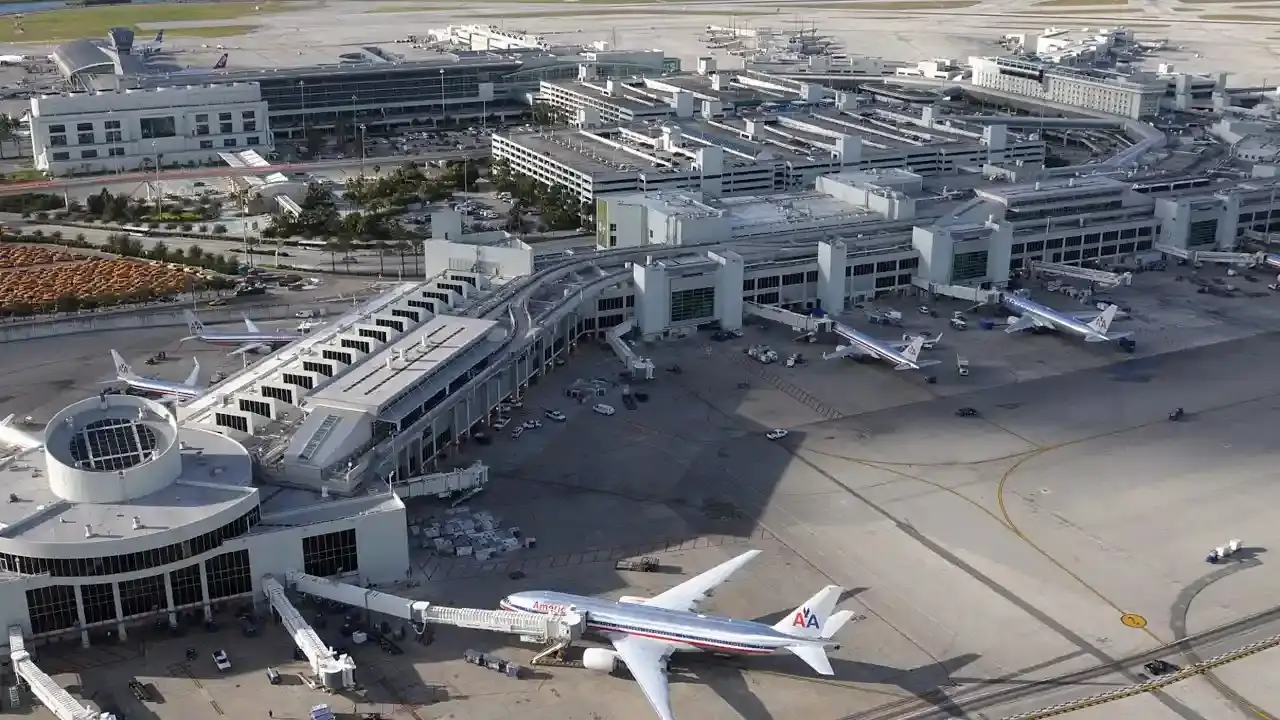
The Miami Airport cell phone waiting area improves traffic flow by:
-
Reducing looping traffic around terminals
-
Keeping curbside lanes open for active loading
-
Lowering pickup delays during peak arrivals
-
Improving overall road efficiency near terminals
Consequently, terminal operations remain more stable during high-volume periods.
Best Practices for Using the Miami Airport Cell Phone Waiting Area
Efficient use depends on timing and coordination with flight arrivals. Since schedules can shift, movement toward terminals is typically based on real-time updates.
Common practices include:
-
Tracking flight status before leaving the waiting zone
-
Moving only after passenger confirmation
-
Avoiding early entry into terminal pickup lanes
-
Following posted airport signage
These steps help maintain smooth traffic distribution across the airport.
Conclusion
The Miami Airport cell phone waiting area plays a key role in managing pickup traffic at Miami International Airport. By separating waiting vehicles from active terminal lanes, it reduces congestion and improves traffic flow. This structured system supports faster pickups, clearer roadways, and more efficient terminal operations during peak travel periods.
.webp)